地熱発電の未来
地熱資源量 (下記資料より)
https://geothermal.jogmec.go.jp/information/plant_foreign/
第1位 アメリカ(3000万KW)
第2位 インドネシア(2779万KW)
第3位 日本(2347万KW)
第4位 ケニア(700万KW)
インドネシの事故はどのようなものだったのでしょうか 👇
昨年2023年6月日本でも北海道蘭越町でも三井石油開発の掘削調査段階での蒸気噴出の事故があり、開発は中断されているそうです。
地震大国の我が国、活用しない手はないですが難しいのですね!
Geothermal Development Faces Barriers in Southeast Asia
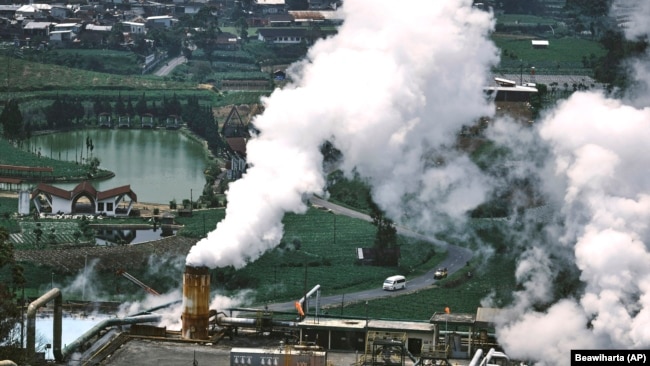
Indonesia and the Philippines aim to increase their use of geothermal energy to move away from highly polluting fossil fuels.
However, money issues, governmental rules, and community protests have slowed the growth of geothermal energy production.
Geothermal energy uses heat from underground reservoirs of hot water to produce electricity. Environmental experts see geothermal as a good source of clean energy because it can provide power 24 hours a day. Geothermal power plants also require little maintenance and can last for many years.
Countries with high geothermal possibilities — such as the United States, Indonesia and the Philippines — have areas where volcanic activity naturally carries hot water or steam to the Earth’s surface. The hot water or steam can also be reached by drilling into the ground.
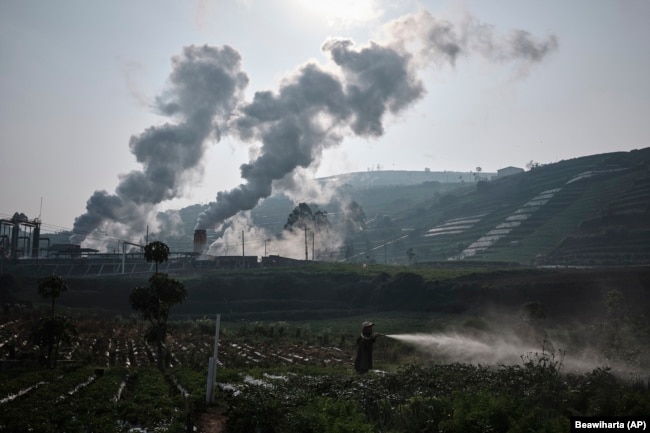
Marit Brommer is head of the International Geothermal Association based in Germany. She told The Associated Press, “We’re essentially standing on our own sun, which we can get clean, reliable energy from.”
Geothermal energy in Southeast Asia
In Southeast Asia, geothermal energy production is expected to increase ten times greater from 2020 to 2050, reaching 276 million megawatt-hours, the International Energy Agency says.
After the U.S., Indonesia and the Philippines are the second and third-largest users of geothermal energy in the world.
Still, Indonesia uses less than one-tenth of its large reserves of geothermal energy. Six percent of the country’s power supply comes from geothermal sources.
And the Philippines has only developed about eight percent of its geothermal resources. It makes up 14.6 percent of the country’s energy use.
Both countries plan to expand their production of geothermal energy. Indonesia aims to increase geothermal production by at least 8 percent by 2030. The Philippine government is targeting several projects to increase geothermal capacity by nearly 1.5 gigawatts, nearly doubling its current use.
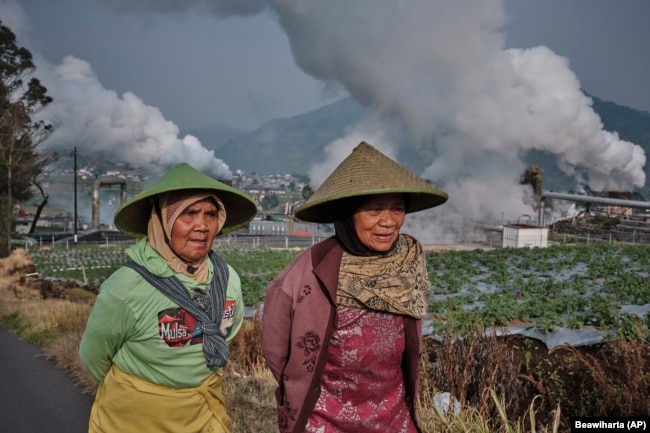
Facing difficulties
However, developing new geothermal projects is costly and sometimes risky for companies when they test and drill to look for reservoirs. That makes it hard to get money for development, said Shigeru Yamamura. He is an energy specialist at the Asia Development Bank.
“That’s the most difficult part of developers, because (in terms of money) they cannot take 100 percent of the exploration risk themselves,” Yamamura said.
The Philippine government has announced plans to auction for developing geothermal projects. The government is also preparing a “smart green grid plan” that centers on renewable energy. The plans may make it more likely that banks will give loans to private companies seeking to develop geothermal projects.
The Indonesian Ministry of Energy and Mineral Resources says it is working to shorten the wait time to get permits for new geothermal projects. It is also considering ways to increase the amount of money companies could make from the projects.
The World Bank is providing a $150 million loan to increase Indonesian investments in geothermal energy. And the Green Climate Fund and the Clean Technology Fund are providing $127.5 million.
Still, community pushback can slow development even when there is enough money.
In Indonesia, villagers have protested geothermal projects. They say the projects are not safe and can harm the environment. Several geothermal projects in Indonesia have had deadly gas leaks in the past five years.
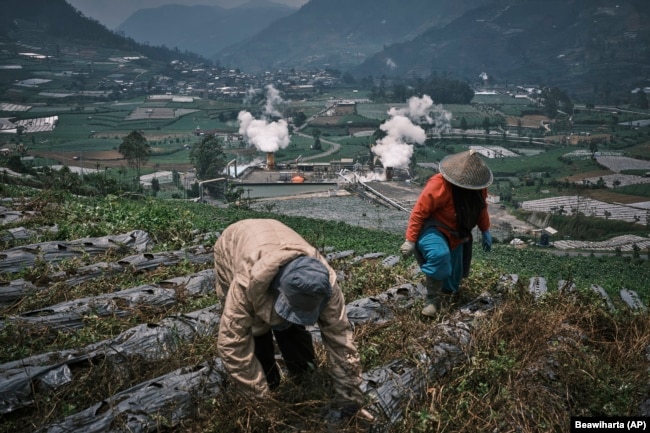
In the Philippines, protests have led at least one company to pay money to Indigenous groups for the use of their lands.
Brommer, of the International Geothermal Association, thinks governments and businesses should work with nearby communities.
“We need to show that this development benefits all people, not just a company,” she said. “It’s not about being a good neighbor; it’s about being the best neighbor and really working with communities to respect their concerns.”
Words in This Story
reservoir -n. a large natural or manmade lake used as a source of water supply
maintenance -n. the act of keeping property or equipment in good condition by making repairs
drill -v. to make a hole in the ground or some other surface
capacity -n. the largest amount or number something can hold
auction -v. to make a public sale where something is sold to the person or group that offers the highest price
grid -n. the physical system that delivers electricity in a country
Indigenous -adj. native to an area; groups of people who are descended from the first people to ever live in an area or country
東南アジアにおける地熱開発の障壁(和訳)
インドネシアとフィリピンは、汚染度の高い化石燃料から脱却するため、地熱エネルギーの利用拡大を目指しています。
しかし、お金の問題、政府の規則、地域住民の抗議などが、地熱エネルギー生産の成長を遅らせています。
地熱エネルギーは、地下の温水貯留層reservoirs からの熱を利用して発電します。環境問題の専門家は、地熱は24時間電力を供給できるため、クリーンなエネルギー源として優れていると見ています。また、地熱発電所はメンテナンスがほとんど必要なく、何年も使用できます。
、地熱の可能性が高い国々には—米国、インドネシア、フィリピンなど—火山活動によって高温の水や蒸気が自然に地表に運ばれる地域があります。高温の水や蒸気は、地面を掘削することdrillingによっても得ることができます。
マリット・ブロマー氏はドイツに本部を置く国際地熱協会の代表です。彼女はAP通信に対し、「私たちは本質的に、クリーンで信頼できるエネルギーを得ることができる、私たち自身の太陽の上に立っているのです」と話しました。
東南アジアの地熱エネルギー
東南アジアでは、地熱エネルギーの生産量は2020年から2050年にかけて10倍に増加し、2億7600万メガワット時に達すると国際エネルギー機関は言っています。
米国に次いで、インドネシアとフィリピンは世界第2位と第3位の地熱エネルギー利用国です。
しかし、インドネシアが使用している地熱エネルギーは、その埋蔵量の10分の1にも満たないのです。同国の電力供給の6%が地熱によるものです。
また、フィリピンは地熱資源の約8%しか開発していません。同国のエネルギー使用量の14.6%を占めています。
両国とも地熱エネルギーの生産拡大を計画しています。インドネシアは、2030年までに地熱生産を少なくとも8%増加させることを目標としてます。フィリピン政府は、1.5ギガワット近くの地熱容量geothermal capacity を増加させ、現在の使用量のほぼ2倍にするためのいくつかのプロジェクトを目標としています。
困難に直面
しかし、新しい地熱発電事業を開発することは、企業にとってコストがかかり、時には貯留層を探すために試験や掘削を行う際にリスクが伴います。そのため開発資金を得るのが難しい、とシゲル ヤマモト氏は言います。彼はアジア開発銀行のエネルギー専門家です。
「なぜなら(資金面で)100%の探鉱リスクを自ら取ることができないからです」とヤマモト氏は言います。
フィリピン政府は、地熱プロジェクト開発のためのオークション計画を発表しました。政府はまた、再生可能エネルギーを中心とした”スマート・グリーン・グリッド計画”を準備しています。この計画によって、地熱発電プロジェクトの開発を目指す民間企業に銀行が融資する可能性が高まるかもしれません。
インドネシア・エネルギー鉱物資源省は、新規地熱プロジェクトの許可取得までの待ち時間を短縮するために取り組んでいると言います。また、企業が地熱プロジェクトから得られる金額を増やす方法も検討しています。
世界銀行は、インドネシアの地熱エネルギーへの投資を増やすために1億5000万ドルの融資を行っています。また、緑の気候基金とクリーン技術基金は1億2750万ドルを提供しています。
しかし、十分な資金があったとしても、コミュニティからの反発が開発を遅らせることもあります。
インドネシアでは、村人たちが地熱発電事業に抗議しています。彼らは、地熱発電事業は安全ではなく、環境に悪影響を及ぼす可能性があると言います。インドネシアのいくつかの地熱発電プロジェクトでは、過去5年間に致命的なガス漏れが起きています。
フィリピンでは、抗議運動によって、少なくとも1つの企業が先住民Indigenousグループに対し、土地の使用料を支払うことになりました。
国際地熱協会のブロマー氏は、政府や企業は近隣のコミュニティと協力すべきだと考えます。
「この開発が企業だけでなく、すべての人々に利益をもたらすことを示す必要があります。」と彼女は言います。「それは良き隣人であることではなく、最良の隣人であることであり、地域社会と協力し、彼らの懸念を尊重することなのです。」
